Buying a home is one of the biggest financial decisions you’ll ever make. Whether it’s your first home or your fifth, having a plan can help you avoid costly mistakes and make the process much less stressful.
From setting a budget to getting the keys, there are several important steps that every homebuyer should take before closing day.
Use this home buying checklist to stay organized and move through the process with confidence.
Buying a Home: Essential Checklist
- Determine Your Budget
- Check Your Credit Score
- Get Pre-Approved for a Mortgage
- Hire a Great Real Estate Agent
- Create Your Wish List
- Research Neighborhoods
- Tour Homes Carefully
- Schedule a Home Inspection
- Review Closing Costs
- Prepare for Moving Day
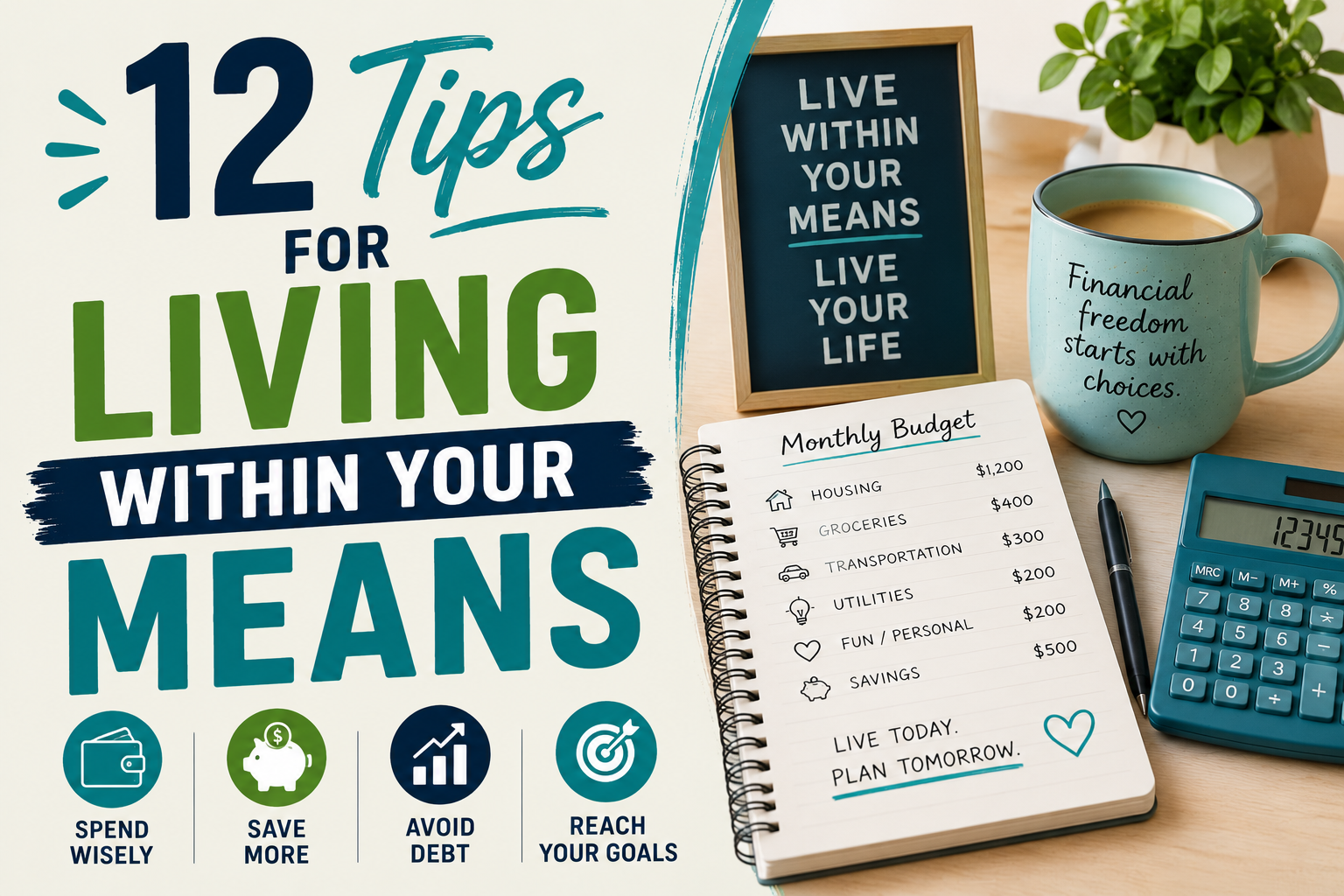
1. Determine Your Budget
Before you start browsing homes online, decide how much you can comfortably afford.
Remember to budget for more than just your mortgage payment. Property taxes, homeowners insurance, utilities, maintenance, and HOA fees can all add to your monthly expenses.
Pro Tip: Buy a home that fits your budget—not the maximum amount a lender approves.
2. Check Your Credit Score
Your credit score plays a big role in the mortgage rate you qualify for.
Review your credit report, pay down debt if possible, and correct any errors before applying for a loan.
3. Get Pre-Approved for a Mortgage
A mortgage pre-approval tells sellers you’re a serious buyer.
It also gives you a clear price range so you can shop with confidence and avoid wasting time looking at homes outside your budget.
4. Hire a Great Real Estate Agent
An experienced real estate agent can help you find homes, negotiate offers, and guide you through the buying process.
Choose someone who knows the local market and communicates well.
5. Create Your Wish List
Make two lists—your “must-haves” and your “nice-to-haves.”
This helps you stay focused and prevents emotional decisions when touring homes.
6. Research Neighborhoods
The home is important—but so is the location.
Look at commute times, schools, parks, shopping, future development, and nearby home values before making an offer.
7. Tour Homes Carefully
Don’t let fresh paint distract you.
Pay attention to the condition of the roof, foundation, windows, plumbing, electrical system, HVAC equipment, and signs of water damage.
Take notes and photos so it’s easier to compare homes later.
8. Schedule a Home Inspection
Never skip the home inspection.
A professional inspection can uncover hidden problems that may affect your decision or give you leverage during negotiations.
9. Review Closing Costs
Many buyers forget about closing costs.
These expenses may include lender fees, title insurance, appraisal fees, taxes, and other charges due before you receive the keys.
10. Prepare for Moving Day
Once closing day is scheduled, it’s time to start planning your move.
Book your moving company early, gather packing supplies, transfer utilities, and begin packing non-essential items several weeks before moving day.
Quick Home Buying Checklist
- ✔ Set a realistic budget
- ✔ Check your credit score
- ✔ Get pre-approved
- ✔ Hire a trusted real estate agent
- ✔ Make your wish list
- ✔ Research neighborhoods
- ✔ Schedule a home inspection
- ✔ Review closing costs
- ✔ Plan your move early
Frequently Asked Questions
Should I get pre-approved before looking at homes?
Yes. A pre-approval helps you understand your budget and shows sellers you’re ready to buy.
How much money should I save before buying a home?
In addition to your down payment, plan for closing costs, moving expenses, emergency savings, and the cost of furnishing or updating your new home.
Is a home inspection really necessary?
Absolutely. A home inspection can reveal expensive problems that aren’t visible during a showing and may save you thousands of dollars.
A Little Planning Goes a Long Way
Buying a home doesn’t have to feel overwhelming.
By following a simple checklist and taking each step one at a time, you’ll feel more confident throughout the process and be better prepared for homeownership.
The more prepared you are before closing day, the smoother your move into your new home will be.
Related Articles
When to Start Packing for a Move (Week-by-Week Guide)